
Cold-start flow
Better cold-flow means oil reaches critical engine parts more quickly at startup — one of the most important moments for engine protection, especially if the vehicle sits overnight in colder weather.
 Authorized Dealer
Free shipping on orders more than $100. Save up to 25% as a Preferred Customer.
Everyone has an opinion — friends, mechanics, quick-lube shops, online forums. This guide cuts through that noise and focuses on what actually changes under the hood.
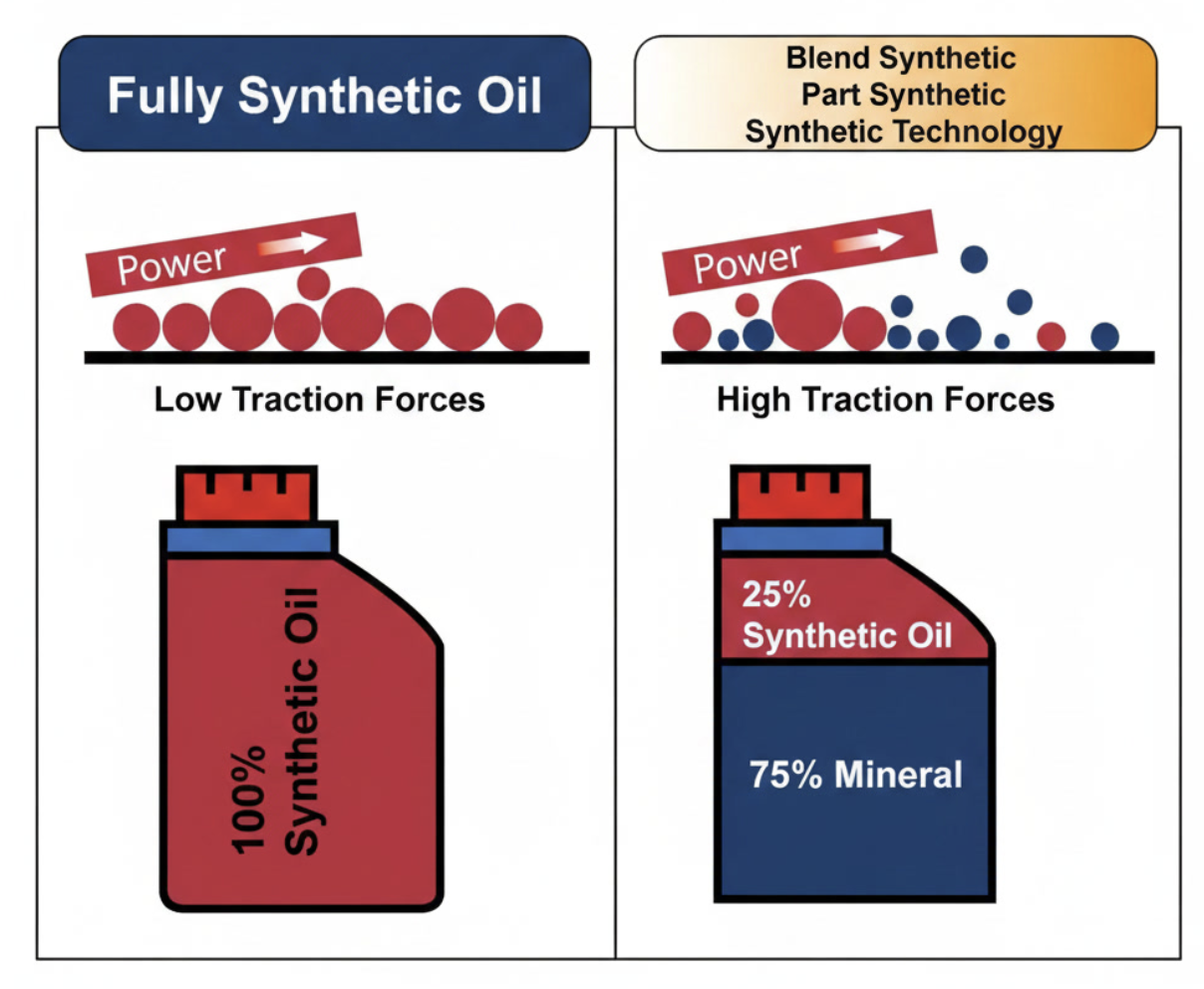
In most cases, synthetic oil offers better protection, better performance in extreme temperatures, and better long-term stability than conventional oil. That does not mean conventional oil is automatically wrong for every vehicle — but synthetic has real advantages that matter in everyday driving.
The real goal is not just choosing between “synthetic” and “regular.” It is using an oil that matches your vehicle’s required viscosity and specification while also fitting how you drive and how long you plan to keep the vehicle.
Conventional oil is the more traditional form of motor oil. It is refined from crude oil and has been used in engines for decades. For some vehicles, especially older ones, it may still be an acceptable option if it meets the correct viscosity grade and manufacturer requirements.
For drivers who do lighter driving, shorter ownership cycles, or simply want the lowest upfront oil cost, conventional oil can still seem appealing. But when people compare the two, the main question is usually not whether conventional oil works at all — it is whether synthetic offers better protection and performance.
Synthetic oil is engineered to perform more consistently than conventional oil. Its base oils and formulation are designed to provide stronger resistance to heat, better cold-temperature flow, and improved protection against deposits and breakdown.
In simple terms, synthetic oil is built to handle stress better. That matters because modern engines run hotter, many drivers spend time in stop-and-go traffic, and some vehicles are regularly used for towing, hauling, or longer drain intervals.
This is one reason many newer vehicles either recommend or require synthetic oil from the start. Even where it is not strictly required, many drivers choose it for the added margin of protection.
Better cold-flow means oil reaches critical engine parts more quickly at startup — one of the most important moments for engine protection, especially if the vehicle sits overnight in colder weather.
Synthetic oil resists breakdown under high heat — long highway trips, summer driving, towing, and performance driving all push temperatures up. Conventional oil can do the job, but synthetic tends to hold its protection more consistently.
Synthetic oil generally does a better job resisting sludge and deposit formation, which matters in modern engines built with tighter tolerances that ask more of the oil than simple lubrication.
Synthetic oil typically resists oxidation and viscosity breakdown longer than conventional oil, giving more confidence that the oil is still protecting the engine as miles accumulate.
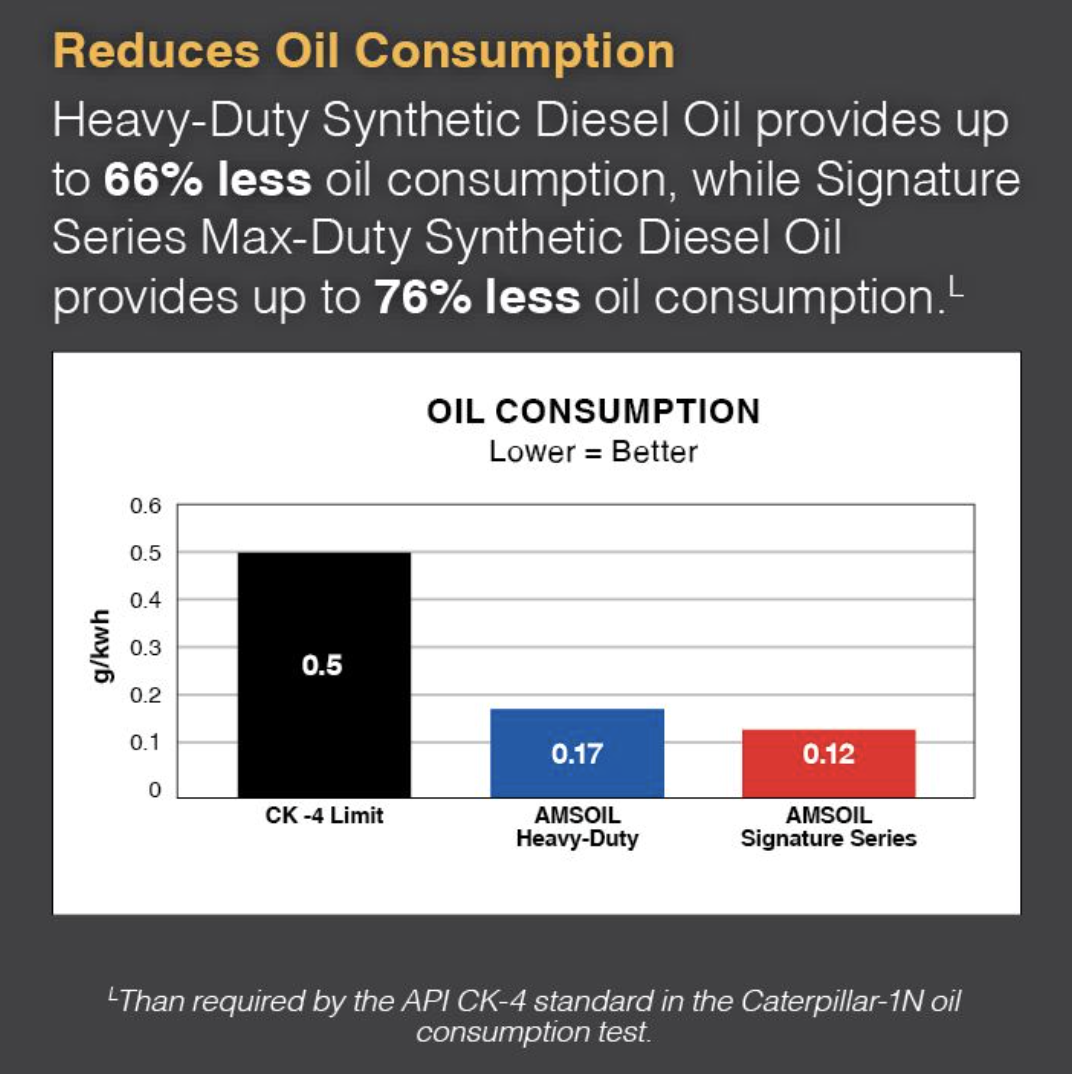
In many real-world situations, synthetic oil is the stronger option — especially for newer engines, extreme hot or cold temperatures, towing, heavier use, stop-and-go commuting, and drivers who simply want a higher level of engine protection.
That said, “better” does not mean you can ignore your owner’s manual. The oil still has to match the required viscosity and performance specification for your vehicle. A high-quality synthetic is only the right choice if it is also the right grade and spec for the engine.
Conventional oil may still be acceptable in some vehicles if it matches the required grade and specification and the vehicle is not used in especially demanding conditions. For some older engines or budget-conscious owners, it may remain a workable option.
Still, it helps to look beyond the bottle price. The cheaper option at purchase is not always the better value once you factor in engine cleanliness, temperature performance, wear protection, and how long you plan to keep the vehicle.
A lot of confusion about motor oil comes from myths that have been repeated for years — some based on older information, some never really true to begin with.
Myth: I need to flush my engine before switching to synthetic oil.
In most cases, no special preparation is needed. Synthetic and conventional oils are compatible and can even be mixed, though mixing may reduce some of the full benefit of a high-quality synthetic.
Myth: Synthetic oil damages seals.
Synthetic oil does not automatically damage seals — quality synthetics are formulated to help keep seals in good condition. A leak that appears after switching was often already there in a worn or dirty area; the switch just made it more noticeable.
Myth: Synthetic oil is too thin to stay in the engine.
Not true. An oil labeled 5W-30 or 10W-30 has to meet viscosity requirements for that grade. Synthetic flows better cold, but that does not make it “too thin” — it often holds protection better under high heat than conventional oil does.
Myth: Synthetic oil causes cars to use more oil.
A healthy engine should not suddenly start consuming oil just because you switched to synthetic. If an engine already leaks or burns oil, that condition exists regardless of oil type — and many drivers find synthetic performs more consistently over time.
Myth: Synthetic oil voids warranties.
Using synthetic oil does not automatically void a warranty. What matters is meeting the viscosity and performance requirements your manufacturer specifies. Some manufacturers even use synthetic as factory fill.
Myth: Synthetic oil lasts forever.
It does not. Synthetic can outperform conventional and often maintains protection longer, but additives still wear out, and contamination, fuel dilution, and real-world conditions still affect oil life. It still makes sense to follow a sensible maintenance interval.
It is worth knowing that not all synthetic oils are created equal. Formulation matters, and the quality of the base oils and additive package can make a real difference in performance, durability, and protection.
In other words, “synthetic” on the label does not automatically tell the full story — product quality can still vary from one brand or product line to another.
If your goal is stronger engine protection, better performance in hot and cold temperatures, and better long-term stability, synthetic oil is usually the better choice for many modern vehicles and real-world driving conditions.
Conventional oil may still be acceptable in some situations, but for drivers who want an extra margin of protection and better resistance to heat, deposits, and breakdown, synthetic is hard to ignore.
The smartest move is to start with your owner’s manual, confirm the correct viscosity and specification, and then choose a quality product that matches both your vehicle and your driving conditions.