 Authorized Dealer
Free shipping on orders more than $100. Save up to 25% as a Preferred Customer.


Oil Guidance
What Type of Oil Is Best for My Car?
If you’ve ever stood in front of a shelf of oil bottles and felt lost, you’re not alone. Labels, numbers, and big claims can make a simple choice feel more complicated than it needs to be.
The short answer
The best oil for your car is the one that matches your owner’s manual for viscosity, required specifications, and intended use. Once those are matched, choosing a quality product becomes much easier.
Why oil choice matters
Engine oil does more than lubricate moving parts. It also helps manage heat, reduce wear, control deposits, and support cleaner engine operation over time.
Modern engines are built around specific oil behaviour, especially during cold starts and at full operating temperature. That is why the right oil grade matters more than many drivers realize.
What those numbers mean
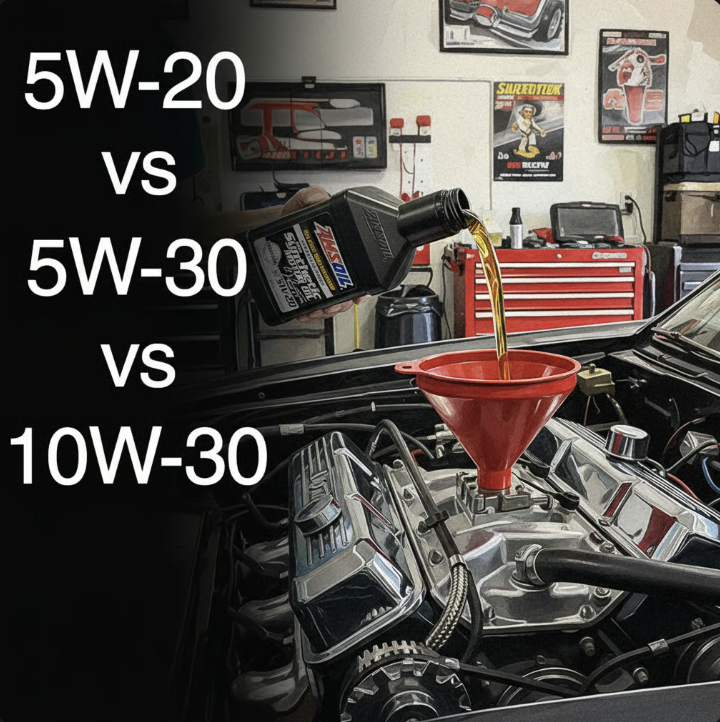
When you see something like 5W-30 on a bottle, the first part relates to how the oil behaves in colder conditions, while the second part relates to how it behaves once the engine is hot.
In plain terms, your engine was designed around a certain viscosity range. The right oil needs to move properly on startup and still protect when the engine is fully warm.
The main types of oil
Conventional oil
Often suitable for some older vehicles if it meets the correct grade and specification.
Synthetic blend
A middle-ground option that combines elements of conventional and synthetic oil.
Full synthetic
Commonly chosen for better stability in heat and cold, along with stronger protection in demanding use.
High-mileage oil
Typically aimed at older engines and often focused on cleanliness and seal support.
So what is best for your car?
Start with your owner’s manual, not the loudest bottle on the shelf. Look for the recommended viscosity, any required certifications, and whether your driving conditions call for anything specific.
If you drive in very hot weather, tow regularly, have a turbocharged engine, or put your vehicle through harder use, product quality becomes even more important after you match the correct specification.
Fastlane tip
Match the manual first, then choose quality
The best choice usually is not about picking the most expensive bottle. It is about using the right viscosity, the right specification, and a product you can trust for how you actually drive.
Where AMSOIL and Fastlane Synthetics fit
Once you know what your vehicle requires, the next step is choosing a product that matches those requirements with confidence. That is where better product guidance can make the process simpler.
If you are unsure where to start, using a product guide or getting help narrowing down the right option can save time and help you avoid buying the wrong product.
Need Help Now?
Want help choosing the right AMSOIL product?
Reach out if you want help narrowing down the right AMSOIL product for your vehicle, motorcycle, or equipment.